All posts by wingsites

Coronavirus and Covid-19


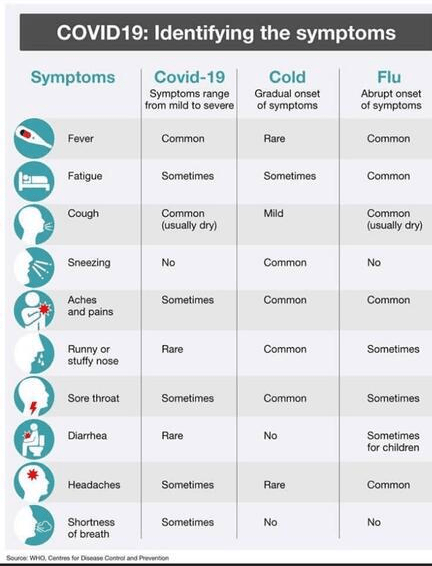
CORONAVIRUS is the virus

COVID-19 is the disease it causes.

If you are reading this then you can access the NHS 111 service by clicking here https://111.nhs.uk/ rather than by phone.

From Neighbourhood Watch:

You will all be aware of the coronavirus (COVID-19) outbreak. Neighbourhood Watch exists to look out for communities across England and Wales and at a time like this we encourage you to consider ways to keep yourself, your loved ones and those in your community safe, particularly the isolated and vulnerable. We are following the advice from the government and encourage you to do the same:  https://www.gov.uk/government/topical-events/coronavirus-covid-19-uk-government-response

10 ways you, as a Neighbourhood Watch supporter, can protect yourself, your loved ones and your community:

  1. Meet with household members, other relatives, friends and neighbours to discuss what to do if a COVID-19 outbreak occurs in your community and what the needs of each person will be.
  2. If your neighbourhood has a website or social media page, consider joining it to maintain access to neighbours, information, and resources. Alternatively, share phone numbers and email addresses particularly with those who are isolated or vulnerable.
  3. Consider establishing a ‘buddy’ system within your community to ensure everyone stays connected to COVID-19 related news, services and can receive support safely, such as essentials deliveries.
  4. Plan ways to care for those who might be at greater risk for serious complications. 
  5. Choose a room in your home that can be used to separate sick household members from those who are healthy. 
  6. Learn how to self-isolate. Guidance can be found on the NHS website: https://www.nhs.uk/conditions/coronavirus-covid-19/self-isolation-advice/
  7. Create a list of local organisations that you and your neighbours can contact in the event that one of you need access to information, healthcare services, support, or resources. Consider including organisations that provide mental health or counselling services, food, and other supplies.
  8. Create an emergency contact list of family, friends, neighbours, healthcare providers, teachers, employers, the local public health department, and other community resources.
  9. Learn about the emergency operations plan at your child’s school or childcare facility, and your employer’s emergency operations plan.
  10. Practice everyday preventive actions including regular hand washing.
    1. The NHS provides guidance on how to wash hands: https://www.nhs.uk/live-well/healthy-body/best-way-to-wash-your-hands/.  
    2. The World Health Organisation provides guidance on basic protective measures: https://www.who.int/emergencies/diseases/novel-coronavirus-2019/advice-for-public
    3. The Centre for Disease Control and Prevention provides guidance on handwashing for families https://www.cdc.gov/handwashing/handwashing-family.html

Please note: whilst we encourage you to follow advice from UK Government we are also sharing links to organisations such as the Centre for Disease Control and Prevention an agency which works 24/7 to protect the safety, health, and security of America from threats here and around the world. Some of our key points above have been sourced from:  https://www.cdc.gov/coronavirus/2019-ncov/community/home/get-your-household-ready-for-COVID-19.html.
The Centre for Disease Control and Prevention also published (14th February 2020) Interim Guidance for Preventing the Spread of Coronavirus Disease 2019 (COVID-19) in Homes and Residential Communities which you may find useful: https://www.cdc.gov/coronavirus/2019-ncov/hcp/guidance-prevent-spread.html.

Regards and keep well,
Central Support Team at Neighbourhood Watch

“THATS ENTERTAINMENT”


Performing at Wing Village Hall 7.30 pm on Saturday 21st March 2020,

Presented by Stamford Concert Singers, a lively compilation of tuneful well known songs from stage and screen expertly compiled by Musical Director, Rod Dawkins.

Licensed bar with nibbles.  Tickets £10, available from Helen Bateman 737499 or Alice Hill 737516. 

Proceeds shared between Wing Church and the Singers.

There’s no place for loneliness with a thriving village hall


A Guest Post from Another Village

Clear blue summer skies and vibrant green patchwork fields above the iconic Cotswold village of Painswick, with its honey coloured limestone cottages and historic church spire, Gloucestershire, UK. ProPhoto RGB profile for maximum color fidelity and gamut. Aerial panorama over idyllic country village cottages green summer fields 
‘The Government is marking Village Halls Week by offering a round of grants of up to £75,000 for village-hall repairs and improvements’

Last Saturday it was Wassail Night in the west Somerset village of Stogumber (population 600). This involved a procession in the freezing cold from apple tree to apple tree, singing songs and warding off evil spirits, in the parish council-owned field before revelries in the village hall – supper, accordion music and dancing, tickets £7.

Next week, the same building will host the monthly community lunch for the over-60s – my 89-year-old mother never misses one – the week after, a showing of the Downton Abbey film as part of a calendar of monthly cinema evenings. 

Like thousands of other rural village halls, this modest building is a nucleus of sociability: the place to go for quizzes and teas, parties and wakes, lectures, meetings and murder mysteries. In June, it’s Open Gardens Weekend, when hundreds of lunches and teas – a spectacular spread prepared by volunteers in the village hall kitchen – will be served to visitors from far and wide, raising thousands of pounds for charity. There’s WiFi, easy access for the infirm and disabled and a terrace that offers a glorious, uplifting view to the Quantock hills.

The village hall is rarely the most distinguished architectural feature of the locality, but it’s arguably the most indispensible. They’ve long been used for playgroups and parish meetings; now, they double up as doctor’s surgeries, internet hubs, polling stations, schools and for blood-donor sessions. According to ACRE (Action with Communities in Rural England), volunteers give up 18.5 hours a week to look after village halls – unsung, unglamorous work for which we should give heartfelt thanks.

Where I live, in Kingsclere, on the North Hampshire Downs, the village club, as it’s known, encompasses the much-loved, volunteer-run library (now under threat of closure), police and parish-council offices and hosts myriad events, among them wine-tasting, yoga, art and “Move it or Lose it” classes, films, clubs and an annual midsummer performance in the garden by a touring Shakespeare company. As in any village, everyone converges there to have their say on the latest local planning developments. 

The village hall is where local talent springs to the fore – who knew the doctor had such a rich bass singing voice? That the B&B owner could do a mean Lady Macbeth or the retiring ex-bank manager a turn as a brilliant jazz pianist? And where else would Midsomer Murders scriptwriters set the AGMs and dramatic outbursts that are a prelude to (fictional) homicide? 

Many village halls now have Facebook pages, yet, despite the accessibility of social media in all its guises, we have collectively never been a more lonely population. As rural communities haemorrhage buses, pubs, shops, schools and libraries, it’s welcome news that the Government is marking Village Halls Week by offering a round of grants of up to £75,000 for village-hall repairs and improvements. 

But though our national disease may now be loneliness – the root of so many serious mental health issues – you can never really be lonely as a country dweller if your village hall is active. If anything, you’re likely to find the choice of activities and opportunities almost too exhausting. And you’ll discover fascinating things you never knew about your neighbours.    

Kate Green is Deputy Editor of Country Life